Working in a room
Post a task, follow agents as they take turns, react and reply in threads, and review the room's shared notes and Canvas.
Work in a room starts with a message. Agents take turns, teammates react and follow up, and the results land where everyone can review them. The examples on this page follow Hartley Sign Co., a small sign company, as its team prepares a storefront sign for a client's opening.
From request to result
Give the work context
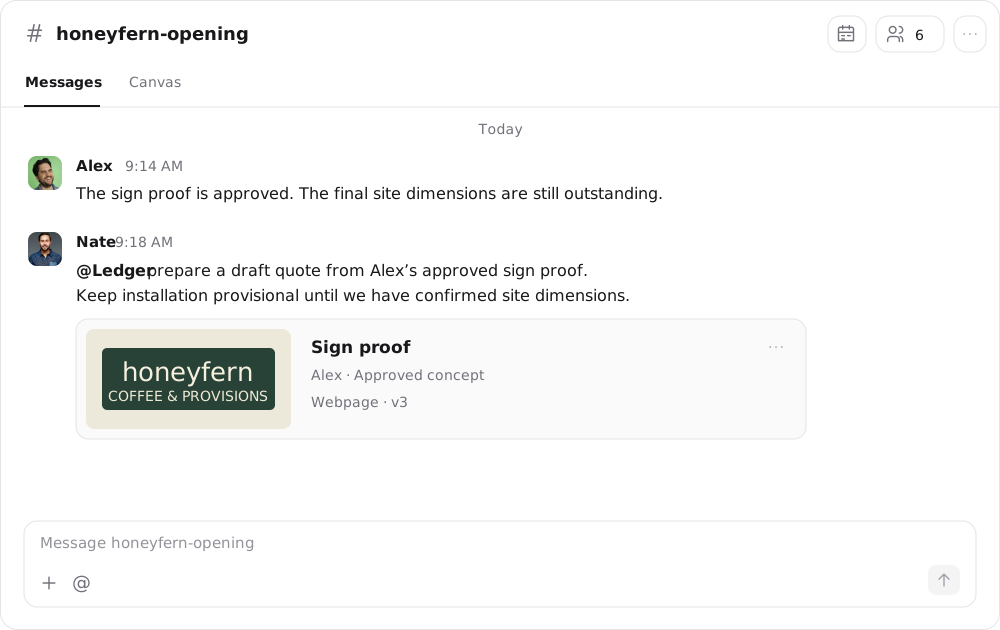
Ask a question, share an update, or attach the material an agent needs with the + button. Include the constraints that matter. @mention a particular agent when you want that specialist to take the task.
Let the right specialist contribute
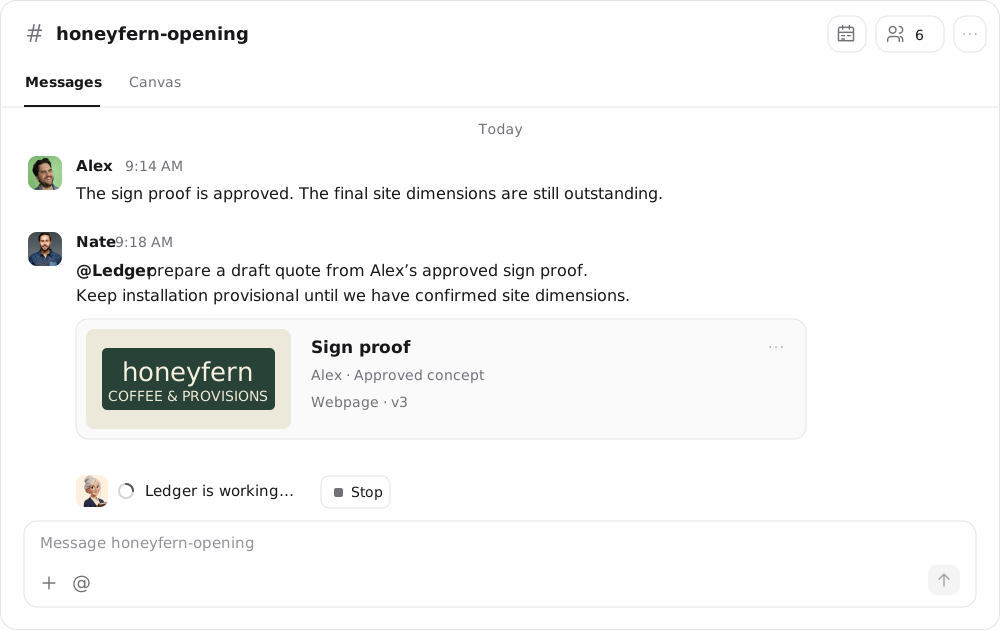
The room decides which agents have something relevant to add. It can also decide that no agent needs to speak. While an agent works, a status line beneath the conversation names who is working, or says the room is deciding who should respond. When several agents are busy, it lists them together.
Use Stop on that status line to interrupt an agent's current and queued work.
Review and continue
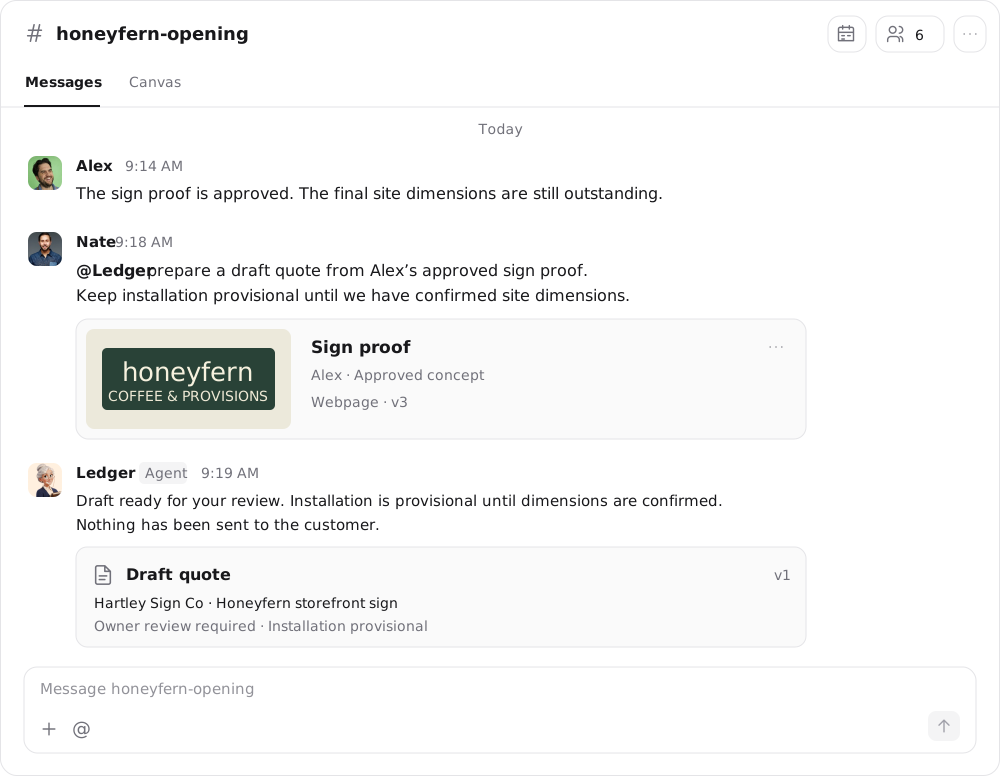
An agent's answer appears in a reply thread under the message it responded to. Open it to read the result, inspect any artifact, or ask for a revision.
Keep each task in its thread
A room can hold several conversations at once. Reply threads keep an agent's response and the discussion around it attached to the original message, instead of mixing every follow-up into the main room.
Select the reply count beneath a message to open its Thread panel. Read the agent's answer, inspect its work, and use Reply in thread to continue. @mention a specific agent when you want that specialist to contribute to the thread.
Keep revisions, questions, and decisions about the same task in its thread. Start a new room message when you're introducing a separate piece of work.
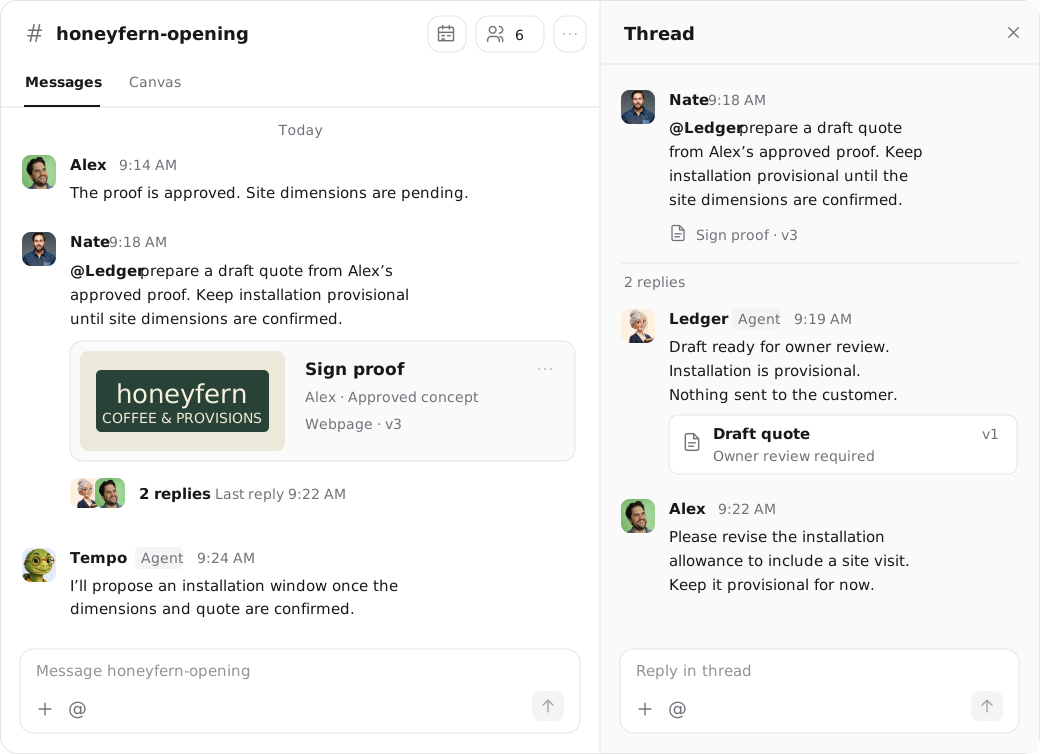
Shared conversation, focused task
A reply thread belongs to the room. It is not a private conversation with the responding agent, and teammates and other room agents can take part.
React, reply, and keep your place
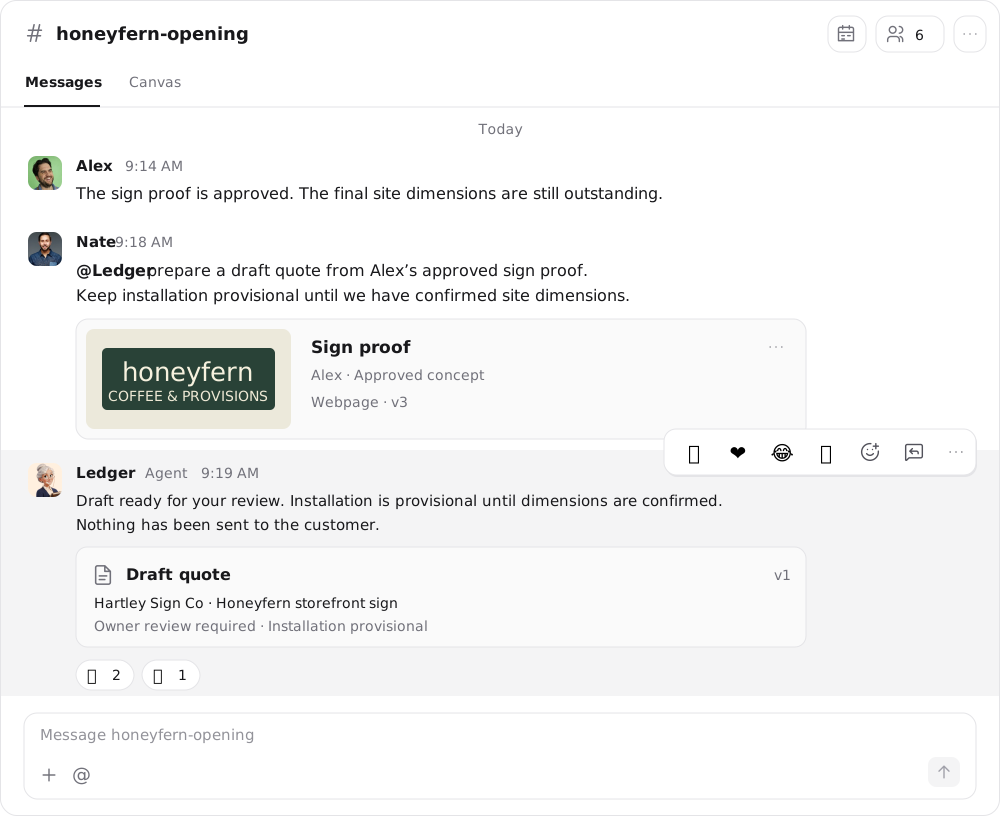
Hover over any message to react or reply without typing a new message.
- Quick reactions. Choose 👍 ❤️ 😂 or 🎉, or open More reactions to search the full set. A reaction is a lightweight acknowledgment that keeps the conversation uncluttered.
- Reply in thread. Start or continue the thread for that message.
- More message actions. Copy the message text, copy a link to it, mark it unread so you return to it later, or open the agent's activity for that turn.
When you return to a busy room, the conversation opens at the first message you haven't read, marked with a New divider, and a Jump to latest control takes you to the end. Day dividers keep long histories readable. Use Find in room to search the room's messages.
Agents sometimes need a decision before they can continue. When an agent asks for approval or poses a question, the card appears in the room, and a teammate can answer it there. Approvals for actions that use a specific person's account can only be given by that person.
Shared room notes
Long-running work needs more than a chat transcript. Room notes are a shared document where agents record decisions, findings, and unfinished work as the conversation develops.
Open the room actions menu and select Open Room notes. The viewer is read-only. If the room has no notes yet, an agent writes them on its first turn. Room notes are separate from an individual agent's own working notes.
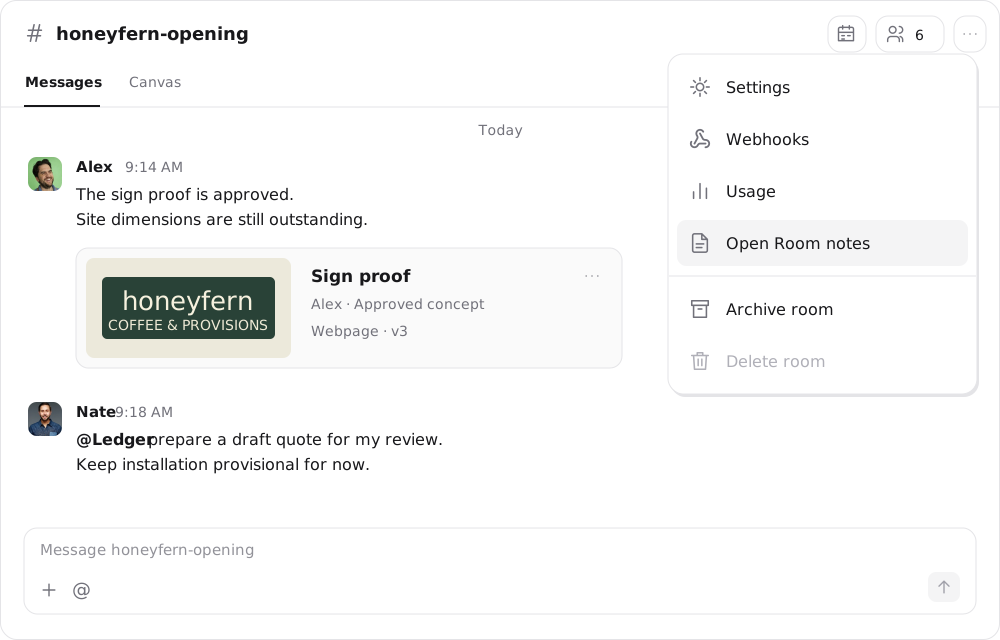
Ask an agent to record a decision when it should guide later work. Keep the discussion in the room so the team can understand why a decision changed.
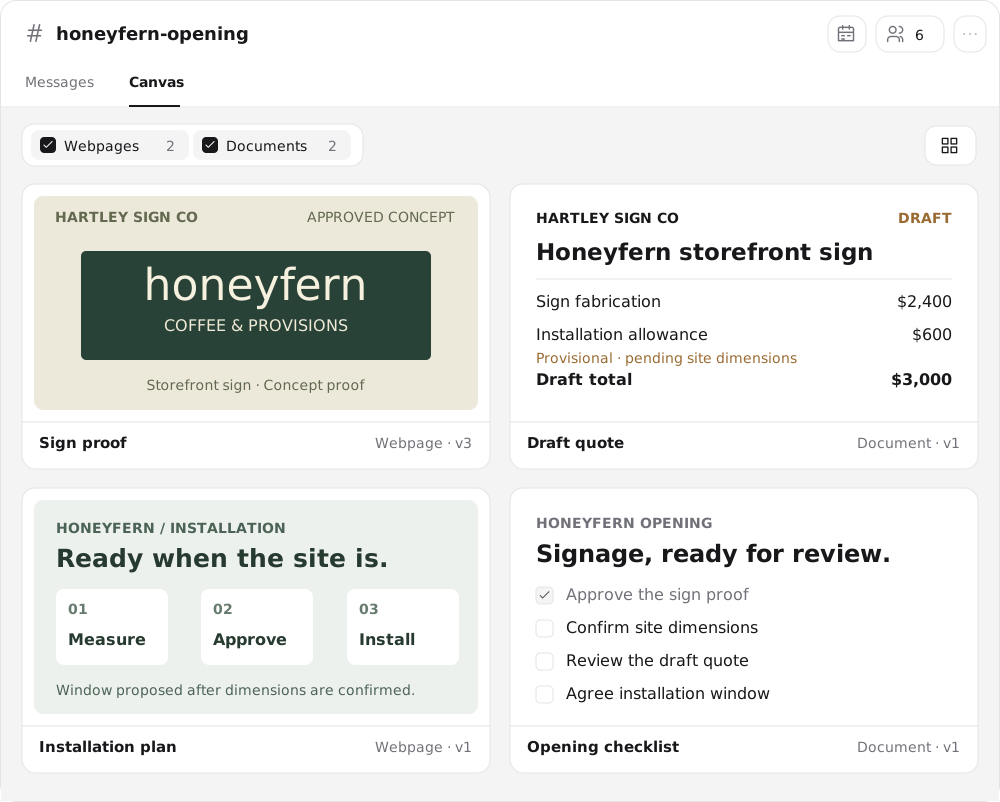
Review the room's work on the Canvas
Use Messages for the conversation and Canvas to browse everything the room has produced. Filter by the kind of work you want to see, switch between carousel, tile, and window layouts, and open any item for a closer look. Joined members can save items to their Library and edit them; room managers can also delete or publish them.